The honest answer is: ashwagandha does not directly make you gain weight, and no herb does. Weight comes from food. But ashwagandha is one of the few herbs with both centuries of traditional use as a body-building herb and real modern research behind some of those uses. Where it genuinely helps is in the things that decide whether extra food turns into healthy weight: strength, sleep, stress and recovery.
Here is what ashwagandha is, what the research actually shows, and how people traditionally use it.
What ashwagandha actually is
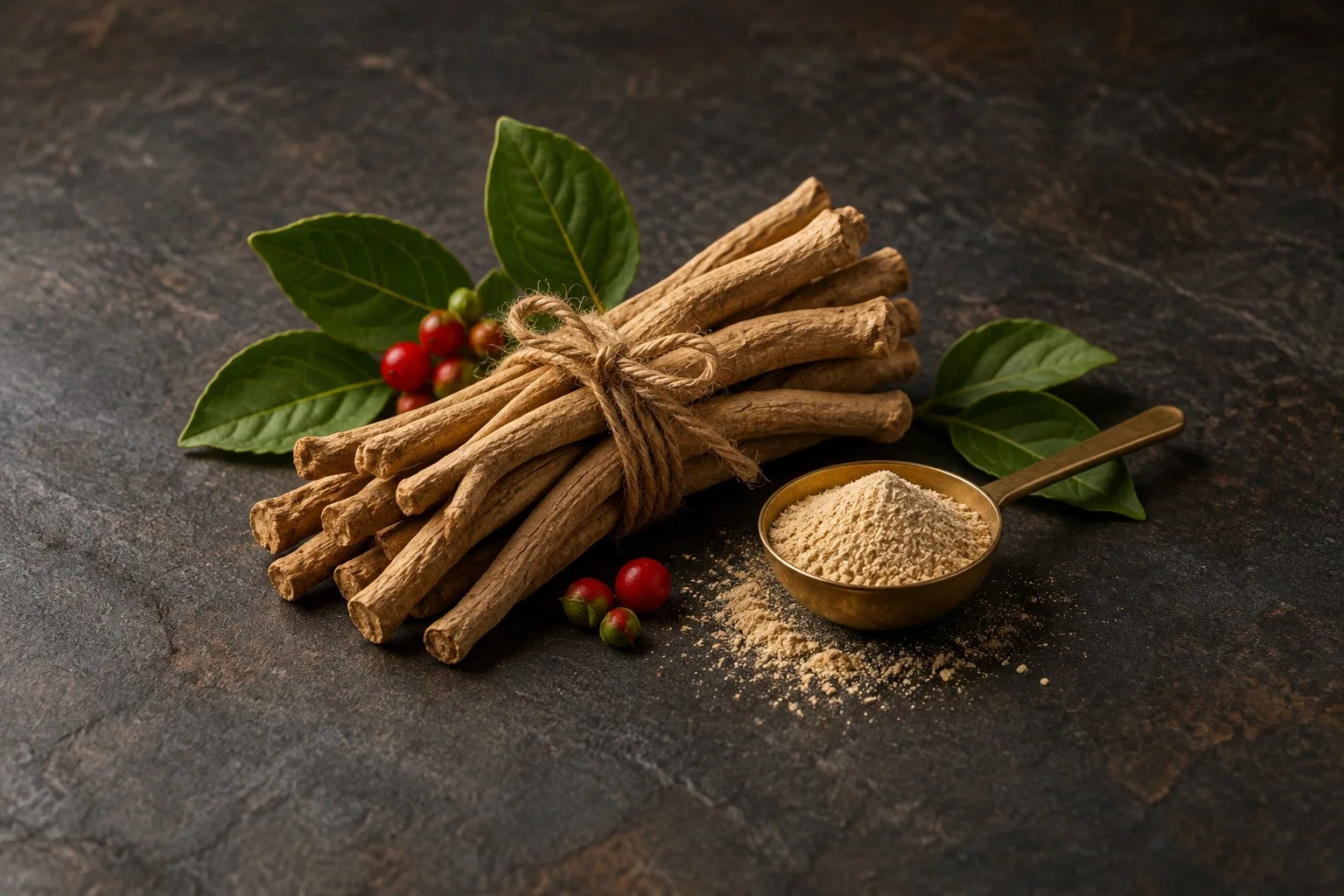
Ashwagandha (Withania somnifera) is a small shrub, and its root is the part used in Ayurveda. It is one of the most respected rasayana herbs, meaning herbs traditionally taken to rebuild strength and vitality over time. Its Sanskrit name roughly means "smell of a horse", pointing to the strength and stamina it was believed to give.
Modern science classifies it as an adaptogen, a substance studied for helping the body handle physical and mental stress. The root contains natural compounds called withanolides, which researchers believe are behind many of its studied effects.
What tradition says about weight gain
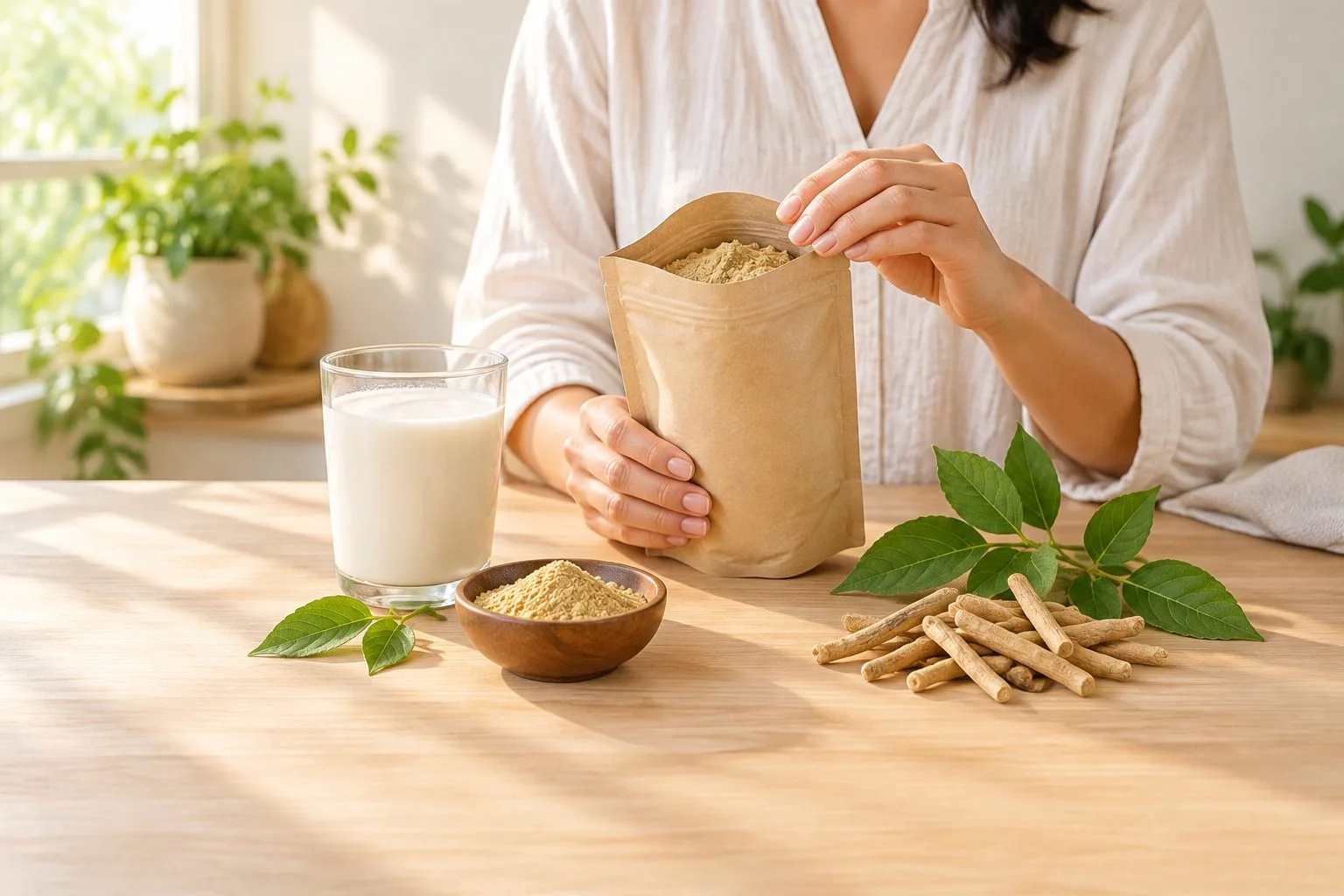
In Ayurvedic practice, ashwagandha is described as balya, meaning strength-promoting, and it has been given for generations to people who are weak, underweight, run down or recovering from illness. The classical way of taking it for building the body is specific: the root powder mixed into warm milk, often with a little ghee and mishri or sugar, usually at night.
Notice what that traditional recipe does. Milk, ghee and sugar add real calories and protein, while the herb supports rest and recovery. Even centuries ago, nobody pretended the powder alone built the body. The food did the building; the herb supported the process.
What modern research says so far
Ashwagandha is one of the better-studied ayurvedic herbs, though research is still developing. Three findings matter for weight gain.
First, muscle and strength. In a well-known study, young men doing resistance training took ashwagandha root extract twice daily for eight weeks and gained significantly more muscle strength and size than the group taking a placebo. The herb did not replace training; it improved the results of training.
Second, stress and cortisol. Several studies have found ashwagandha supplementation associated with lower stress and lower cortisol levels. This matters because chronic stress is a well-known appetite killer and is linked to poor digestion and muscle breakdown.
Third, sleep. Research suggests ashwagandha can improve sleep quality, and sleep is when the body releases growth-related hormones and repairs muscle. Underweight people who sleep badly often struggle to gain.
The fair summary: research supports ashwagandha as a supporter of training results, calmer nerves and better sleep. It does not show the herb directly adding body weight. Anyone promising that is overselling.
How people traditionally take it
The most common traditional method is ashwagandha root powder (churna) stirred into a glass of warm milk at night. Some households add ghee, honey or mishri. In research studies, a commonly used amount has been 300 mg of root extract taken twice daily, though products vary in strength, so follow the label of what you buy.
Two practical notes. First, quality varies widely between brands, so choose sellers who test and label properly. Second, if you are pregnant, breastfeeding, have a thyroid condition or any medical issue, or take regular medication, speak to a doctor before starting.
What ashwagandha cannot do
It cannot replace eating. Weight gain needs a daily calorie surplus, and no capsule changes that math.
It cannot work overnight. Both tradition and research work in weeks and months, which matches how slowly the body builds real tissue.
And it is not for everyone. Certain health conditions need medical guidance first, and unexplained weight loss should always be checked by a doctor before any supplement.
Who should be careful
Ashwagandha is traditionally avoided or used only under guidance during pregnancy. People with thyroid disorders, autoimmune conditions or liver problems should consult a doctor first, as should anyone on regular medication, since herbs can interact. Rare reports of liver issues linked to supplements exist across the whole herbal industry, which is one more reason to buy tested products and stop if anything feels wrong.
A simple routine that actually works
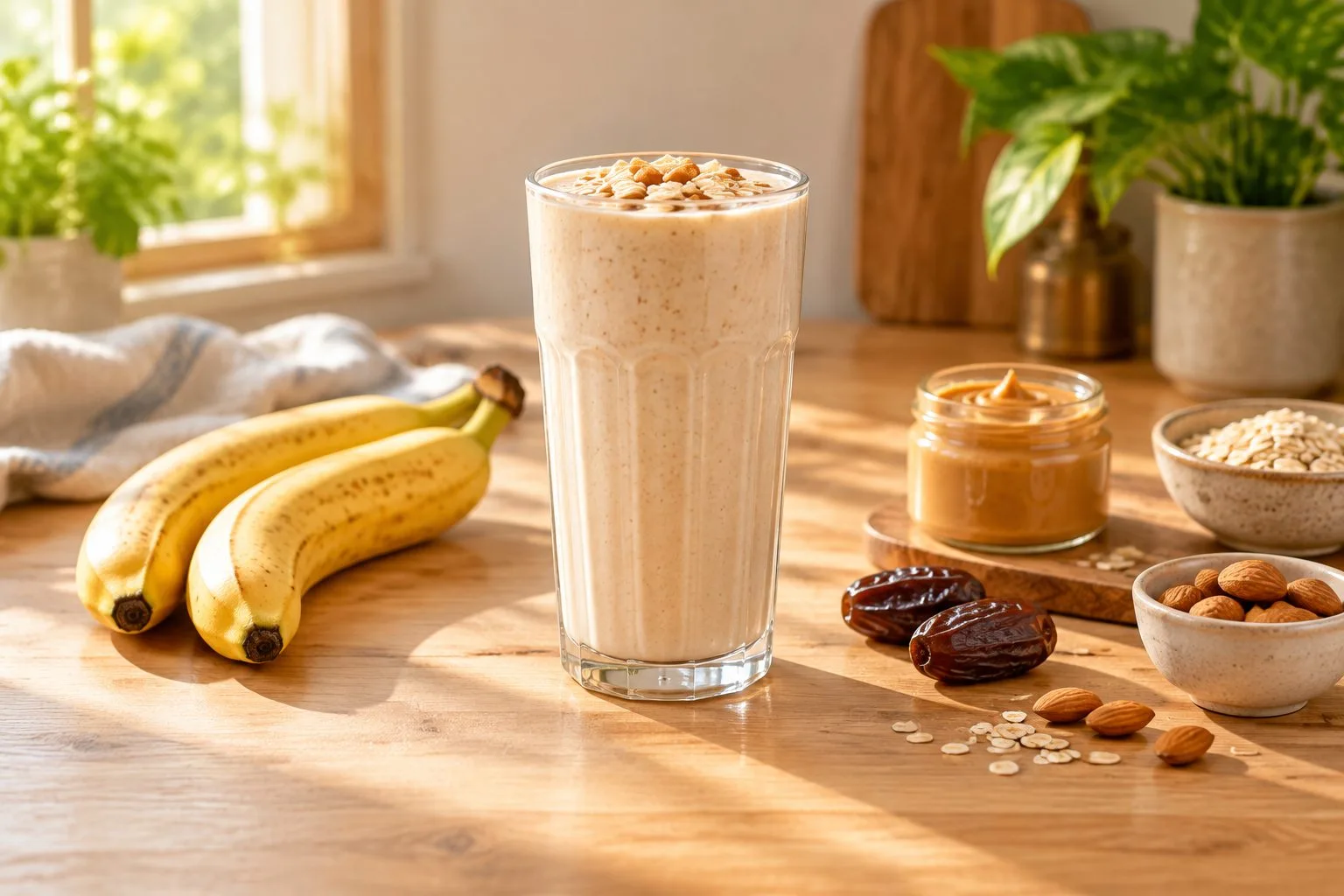
If you want to use ashwagandha for weight gain, keep the routine boring and repeatable. Eat three full meals and two snacks daily, with milk, paneer, dal, eggs, ghee and nuts across the day. Take your ashwagandha with warm milk at night. Do strength training three or four days a week, since that is what the research paired it with. Sleep seven to eight hours.
Weigh yourself once a week at the same time, not daily. Judge the routine over six to eight weeks. Slow, steady gain is the kind that stays.
Where FitGain fits in
Ashwagandha is one of the key traditional herbs inside our FitGain for Women formulation, alongside shatavari and other ayurvedic ingredients. We built it on the same principle this article explains: herbs support the process, food and routine do the work. FitGain is designed to support appetite, strength and healthy weight gain alongside a proper diet, not to replace one.
Every order also comes with free dietitian guidance, so you can ask questions about your own situation before and while using it. You can see the product here: fitbyveda.in/product/100g-fit-gain-for-women
Frequently asked questions
Does ashwagandha directly increase weight? Not directly. It supports strength training results, stress balance and sleep, which together help healthy gain. The weight itself comes from eating more good food consistently.
Can ashwagandha increase appetite? Some people find their appetite improves as stress and digestion settle, and tradition uses it that way. But it is not an appetite pill, and effects vary from person to person.
How long does ashwagandha take to show effects? Research studies typically run eight weeks or more, and traditional use is measured in months. Most people who benefit notice better sleep and calmer energy first.
Is ashwagandha for men or women? Both. It appears in strengthening formulations for everyone, though women who are pregnant should avoid it and anyone with a medical condition should ask a doctor first.
Should I take it with milk or water? Tradition says warm milk at night, and for weight gain that pairing makes sense because milk adds protein and calories. Water works too if milk does not suit you.
Can I take ashwagandha without exercising? You can, and you may still feel the stress and sleep benefits. But for healthy weight gain, the research clearly pairs it with strength training, and that is where the visible results come from.
A last word
Ashwagandha has earned its reputation over centuries, and modern research is catching up with parts of that tradition. Use it the way both agree on: patiently, with warm milk, plenty of good food, regular strength training and real sleep. That combination, not any single herb, is what changes the weighing scale.
Disclaimer: This article is for general information only and is not medical advice. Herbal supplements affect people differently, and research on ashwagandha is still developing. If you are pregnant, breastfeeding, taking medication, or have a medical condition, please consult a qualified doctor or ayurvedic practitioner before use.
Your health, our care
Ready to start your wellness journey?
Shop 100% Ayurvedic supplements. Every order includes free 1-on-1 dietician support.