Here is the honest short answer: healthy weight gain takes weeks to feel and months to see. Most people following a proper diet and routine notice better appetite and energy within 2 to 3 weeks, small changes on the scale within 4 to 6 weeks, and clearly visible changes in 2 to 3 months. Solid, lasting progress usually takes about 6 months of consistency.
If that sounds slow, read on. This guide explains what a realistic timeline looks like, what decides your personal speed, and why the slow route is actually the fast route.
Why slow gain is the only real gain
Your body can only build new tissue at a certain speed. Nutrition guidance generally suggests aiming for roughly 0.25 to 0.5 percent of your body weight per week. For someone weighing 45 to 55 kg, that is about 150 to 300 grams a week, or roughly half a kilo to one kilo a month.
Anything much faster than that is usually not muscle. It is fat, mostly around the belly, plus water and bloating. Slow gain gives your body time to turn extra food into strength and healthy shape instead.
A realistic timeline, stage by stage
Everybody is different, but this is the pattern most people experience when they eat a little more every day and follow a simple routine.
Weeks 1 to 2: You will not look different, and the scale may barely move. What changes first is inside: appetite improves, digestion settles into the new routine, and energy feels steadier. Do not judge anything yet.
Weeks 3 to 4: The scale usually starts moving now. Clothes may feel slightly different. Family members who see you daily still will not notice, and that is normal.
Months 2 to 3: This is when changes become visible in the mirror. Face looks a little fuller, arms and legs feel stronger, and people who meet you after a gap start commenting.
Months 4 to 6: Real, lasting progress. With consistent eating and light strength exercise, many people gain 3 to 6 kilos over this period. Some gain more, some less. Both are fine.
After 6 months: Most people shift from gaining to maintaining. The new weight feels natural, appetite stays good, and the routine is now just normal life.
What decides how fast you gain
Two people following the same plan can gain at very different speeds. These are the things that matter most.
Your calorie gap. Gaining requires eating more than you burn, every single day. A common approach is adding around 300 to 500 extra calories daily. A bigger gap is not better; it mostly adds fat.
Consistency. Eating extra for 5 days and skipping 2 days roughly cancels out. The people who gain are not the ones with the perfect diet. They are the ones who repeat a decent diet without breaks.
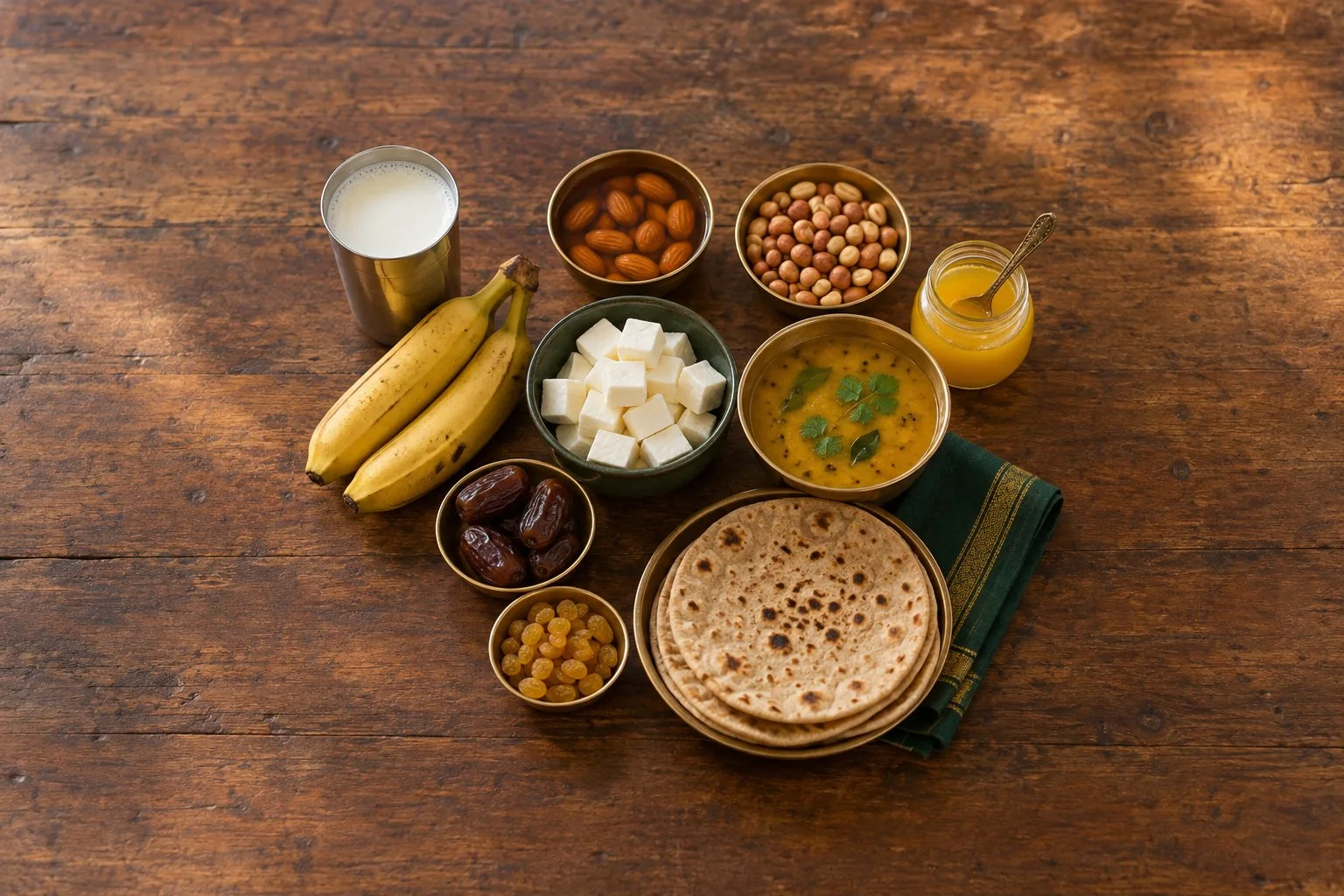
Food quality. Calories from milk, ghee, dal, paneer, eggs, nuts, bananas and home-cooked meals support healthy gain. Calories from chips, sweets and soft drinks mostly add belly fat.
Strength exercise. Bodyweight exercises like squats and push-ups tell your body to build muscle from the extra food. Without them, more of what you gain gets stored as fat.
Sleep and stress. Muscles are built during rest. Sleeping 7 to 8 hours and keeping stress low genuinely affects how fast you gain.
Your body and health. Thyroid issues, digestion problems, diabetes, long-term stress and some medicines can all slow weight gain. If you suspect any of these, a doctor visit will speed you up more than any diet change.
Why you should not chase fast gain
Social media is full of "gain 5 kg in 15 days" promises. Here is what they leave out.
Gaining that fast means eating far more than your body can use for building. The extra becomes fat, not shape. It also shocks digestion: bloating, acidity and discomfort make most people quit within weeks. And crash-gained weight disappears just as quickly when the routine stops.
Slow gain is not a compromise. It is the method that actually works and actually lasts.
How to know you are on track
Do not weigh yourself daily. Daily weight jumps around by half a kilo or more just from water and food timing, and it will demoralise you for no reason.
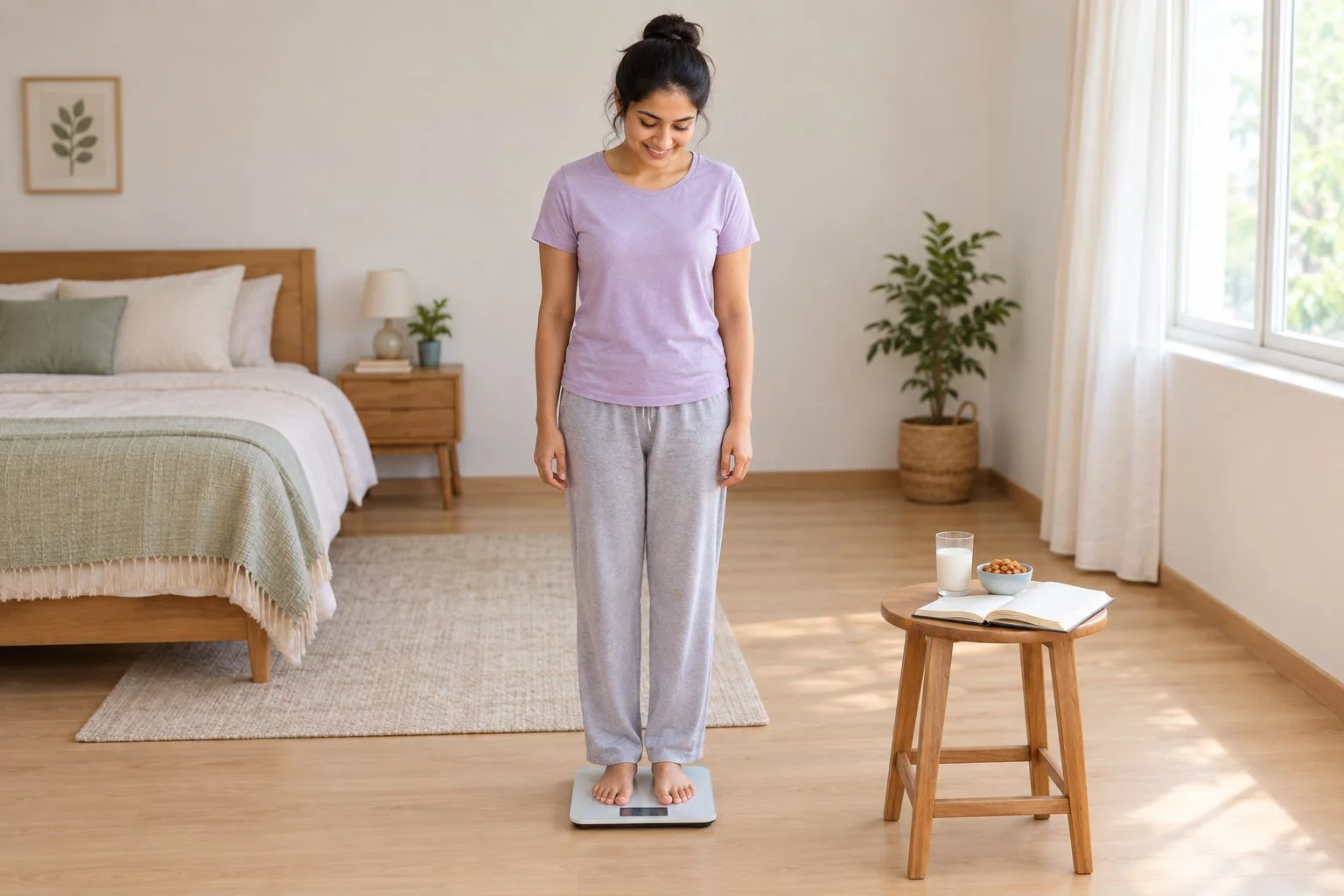
Instead, weigh yourself once a week, on the same day, at the same time, before breakfast, after using the bathroom. Write it down. What matters is the monthly trend, not any single reading.
Also notice the non-scale signals: better appetite, steadier energy through the day, clothes fitting slightly fuller, and feeling stronger in your daily work. These often improve before the scale does.
If 4 to 6 weeks pass with zero movement on the scale and zero change in how you feel, increase your daily food a little and check your sleep. If it still does not move after that, it is worth consulting a doctor or dietitian to rule out an underlying reason.
Where FitGain fits in
At FitByVeda, we built FitGain for Women for people on exactly this journey. It is an ayurvedic supplement based on traditional herbs like shatavari and ashwagandha, designed to support appetite and healthy weight gain alongside a good diet and routine. It works with the process described above, not instead of it, and it does not promise overnight change, because nothing honest can.
Every order also comes with free dietitian guidance, so your timeline gets personal attention, not generic advice. You can see the product here: fitbyveda.in/product/100g-fit-gain-for-women
Frequently asked questions
Can I gain 5 kg in one month? For most people, that pace is too fast to be healthy. A realistic month of good progress is about half a kilo to one and a half kilos, depending on your body. Faster gain is usually fat and water, and it rarely lasts.
I have been eating more for 2 weeks and nothing changed. What is wrong? Most likely nothing. The first 2 weeks rarely show on the scale. Judge your progress only after 4 to 6 weeks of consistent eating, and check the non-scale signals like appetite and energy first.
Does everyone gain at the same rate? No. Starting weight, age, daily activity, sleep, stress and health conditions all change the speed. Comparing your week 3 with someone else's month 3 is the most common reason people give up too early.
Will I keep gaining forever if I keep eating more? No. As your weight rises, your body burns more calories at rest, so the same food eventually becomes maintenance. That is the natural point to stop increasing and simply maintain.
Should I exercise while trying to gain weight? Yes, light strength exercise 3 to 5 days a week. It directs the extra food toward muscle. Avoid long cardio sessions, which burn the calories you need.
When should I see a doctor about not gaining weight? If you are losing weight without trying, feel tired all the time, have ongoing digestion trouble, or have followed a proper routine for 2 months with zero change, please consult a doctor. Some causes of low weight need medical attention first.
A last word
The question is not really how long weight gain takes. It is how long you can stay consistent. Give your body honest food, a little exercise and proper sleep for 3 to 6 months, and the mirror will answer for you.
Disclaimer: This article is for general information only and is not medical advice. Timelines described are general patterns, not promises, and every body responds differently. If you have a medical condition, are underweight without explanation, or are pregnant, please consult a qualified doctor or dietitian before changing your diet or routine.
Your health, our care
Ready to start your wellness journey?
Shop 100% Ayurvedic supplements. Every order includes free 1-on-1 dietician support.