The honest answer is: shatavari is not a magic weight-gain pill, and no herb is. But it is also not nothing. Shatavari has been used in Ayurveda for centuries as a strength and nourishment herb, especially for women, and early modern research is starting to explore some of those traditional claims. Where it genuinely helps is as a supporter of the real drivers of weight gain: appetite, digestion, stress and recovery.
Here is what shatavari is, what it can and cannot do for weight gain, and how people traditionally use it.
What shatavari actually is
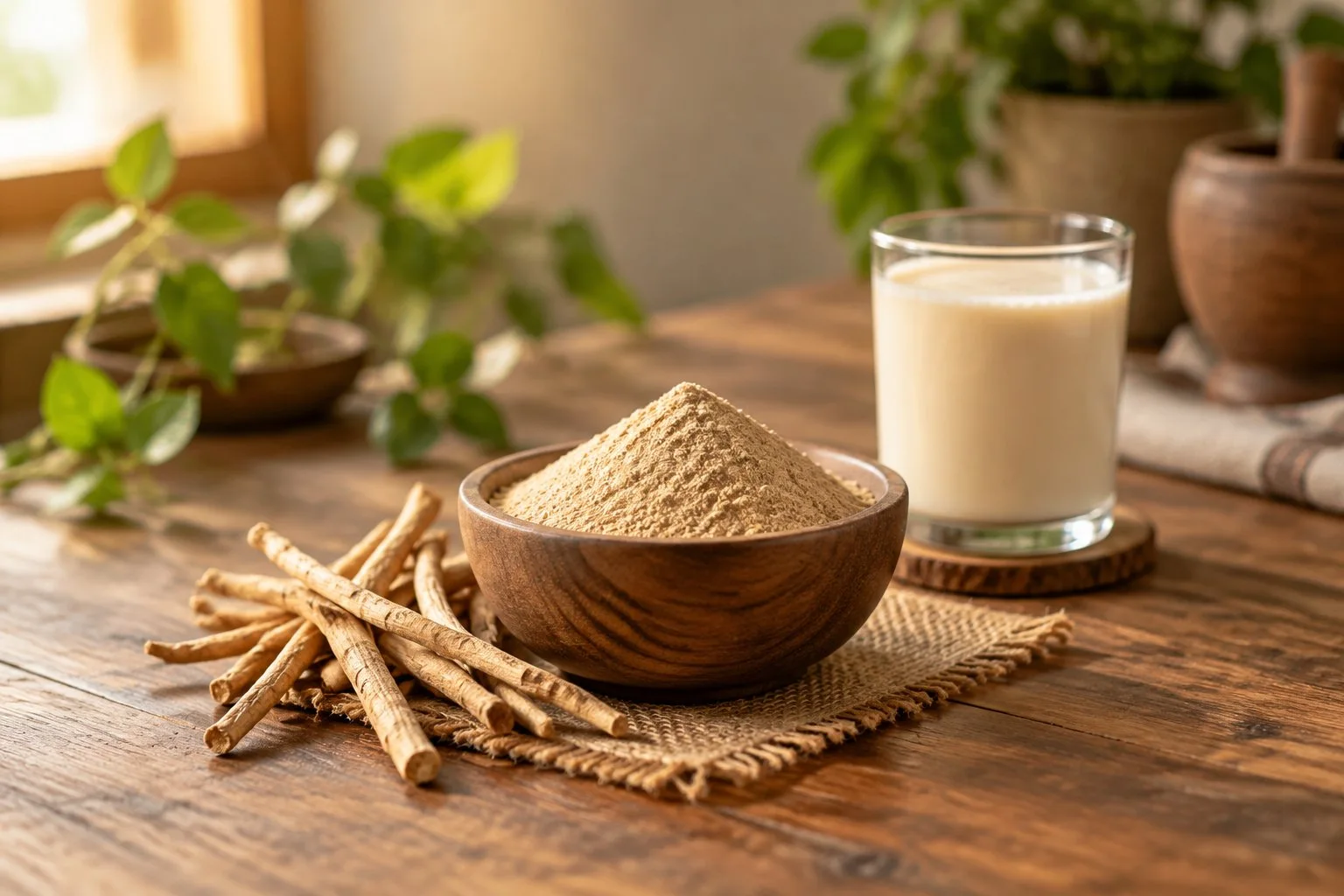
Shatavari (Asparagus racemosus) is a climbing plant in the asparagus family, and its root is the part used in Ayurveda. It belongs to a special class of herbs called rasayana, which are traditionally taken to build strength, vitality and resilience over time. It is also considered an adaptogen, meaning it is traditionally used to help the body cope with physical and emotional stress.
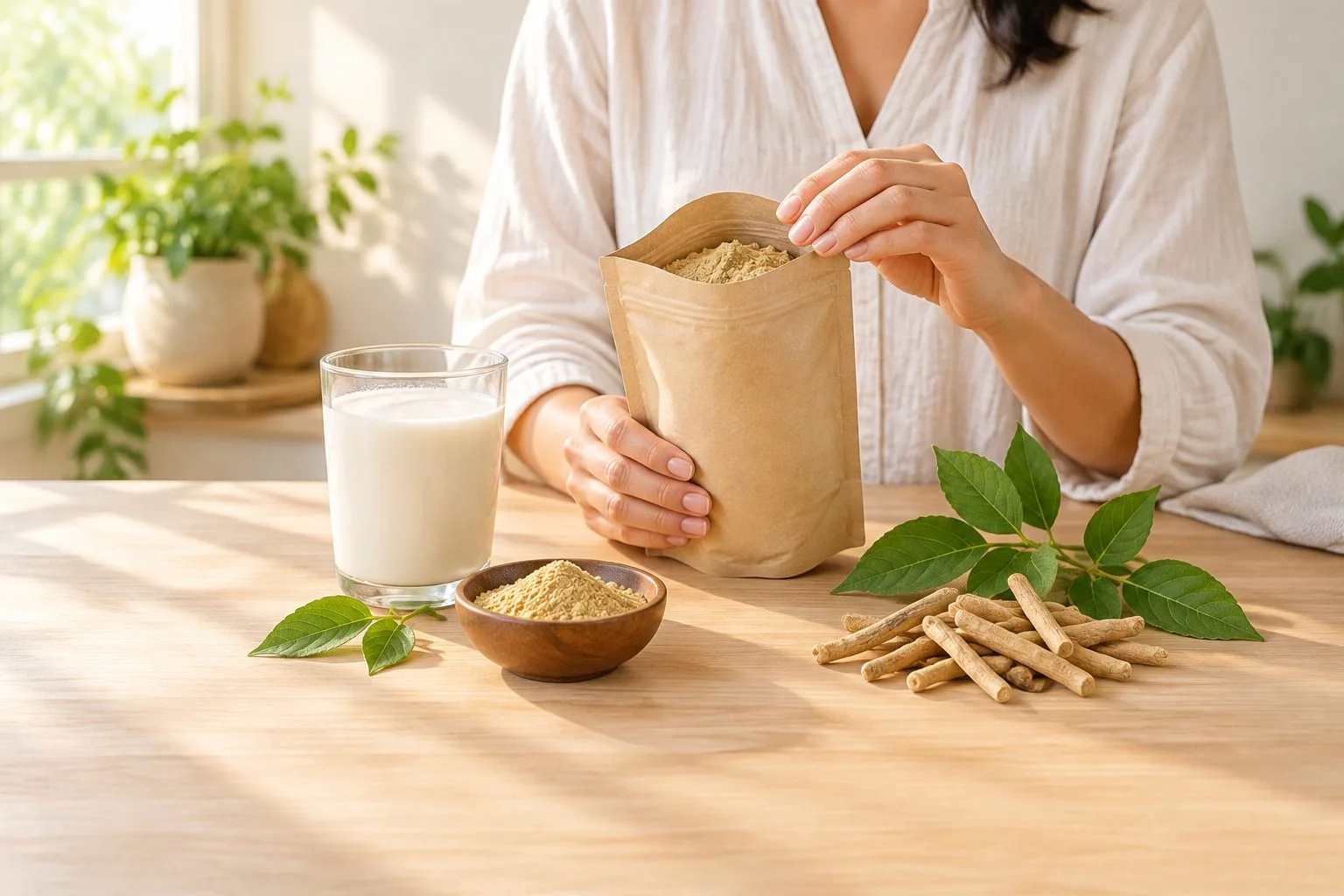
In Ayurvedic practice, shatavari has a long association with women's health, from digestion and strength to hormonal balance and post-illness recovery. It is one of the most widely used herbs in Indian households, usually taken as a powder with warm milk.
What tradition says about weight gain
In Ayurvedic texts, shatavari is described as balya, meaning strength-promoting, and brimhana, meaning nourishing or building. Traditionally it has been given to people who are weak, underweight or recovering, precisely to support the body in rebuilding.
The logic in traditional practice is sensible even by modern standards. Shatavari is used to support healthy digestion and appetite, and poor appetite is one of the most common reasons underweight people struggle to eat enough. It is also used to calm stress, and chronic stress suppresses appetite and disturbs digestion. Better appetite plus calmer nerves plus good food is a reasonable recipe for healthy weight gain.
What modern research says so far
Modern research on shatavari is still early, and it is important to be honest about that. Most studies so far are small or preliminary.
One interesting area is muscle and exercise. A published study on older women found that eight weeks of shatavari supplementation during resistance training was associated with improvements in training load and muscle function compared to a control. That does not prove weight gain, but it supports the traditional pairing of shatavari with strength-building routines.
Research on stress and adaptogens is also relevant, since stress is a well-established appetite killer. And shatavari contains natural compounds called saponins (shatavarins), which researchers are studying for several traditional uses.
The fair summary is: tradition is strong, early research is promising, and large definitive trials do not exist yet. Anyone claiming guaranteed weight gain from shatavari is going beyond what the evidence says.
How people traditionally take it
The most common traditional way is shatavari powder (churna) mixed into a glass of warm milk, usually once or twice a day, often at night. Some people add a little ghee or take it with honey after the milk cools slightly. Traditional practice typically uses small daily amounts over weeks and months, not large doses for a few days.
Two practical notes. First, quality varies a lot between brands, so buy from sellers who test and label properly. Second, if you are pregnant, breastfeeding, have a medical condition or take regular medication, ask a doctor or qualified ayurvedic practitioner before starting any herb, including shatavari.
What shatavari cannot do
It cannot replace food. Weight gain requires eating more calories than you burn, every day. No herb changes that math.
It cannot work overnight. Traditional rasayana use is measured in weeks and months, in line with how the body actually builds tissue.
And it is not the right tool for everyone. People with certain health conditions need medical guidance first, and unexplained weight loss should always be checked by a doctor before any supplement.
Who should be careful
Shatavari is traditionally avoided or used only under guidance in a few situations: pregnancy, hormone-sensitive health conditions, known allergy to asparagus, and alongside certain medications. If any of these apply to you, a quick conversation with your doctor comes before the first spoon of powder.
A simple routine that actually works
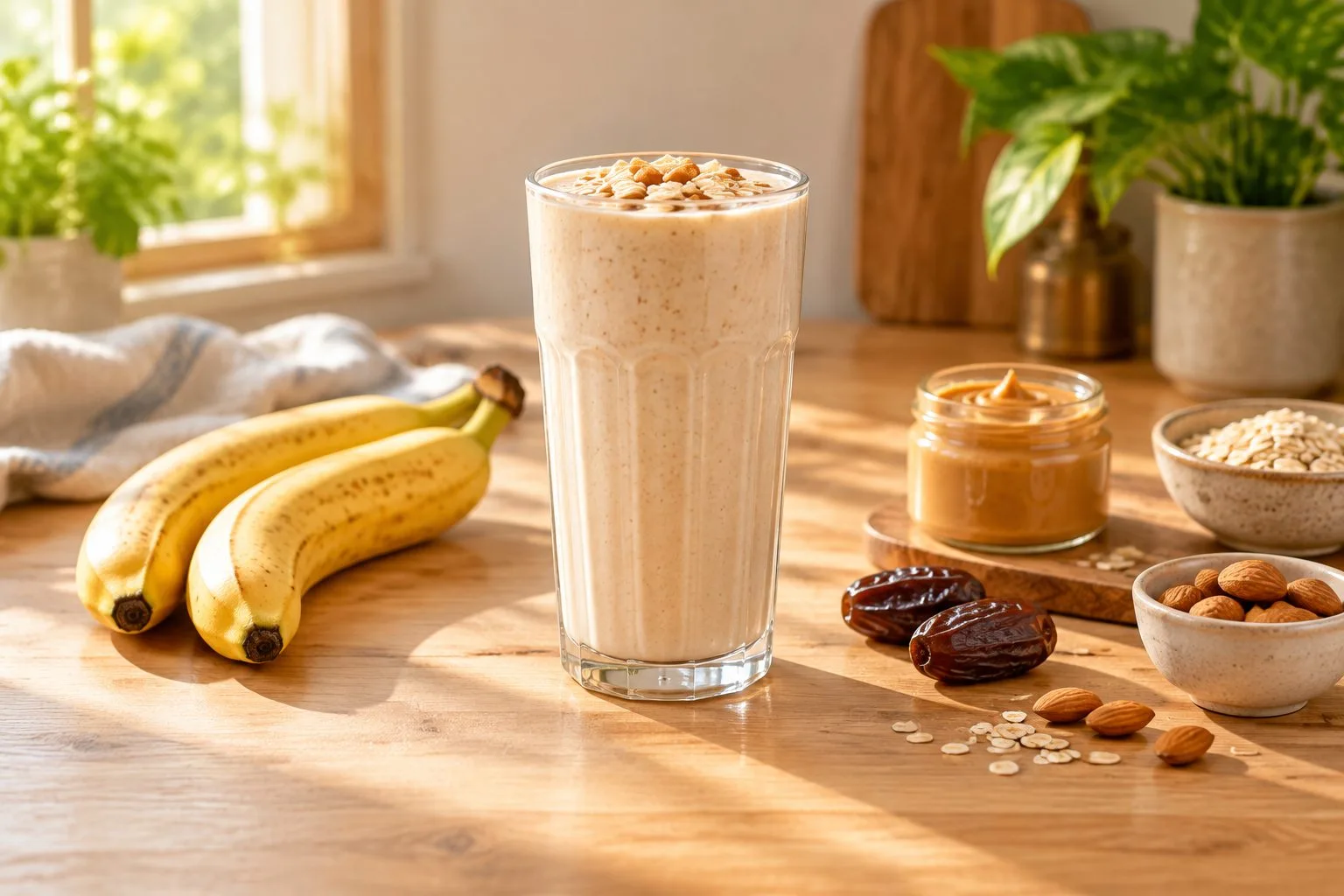
If you want to use shatavari for weight gain, keep the routine boring and repeatable. Eat three full meals and two snacks a day, with milk, paneer, dal, ghee, nuts, eggs or your preferred protein in each main meal. Take your shatavari with warm milk at night. Do light strength exercise three or four days a week, even simple home movements like squats, push-ups against a wall, or resistance band work. Sleep seven to eight hours.
Track nothing daily and everything weekly. Weigh yourself once a week at the same time, and judge the routine over four to eight weeks. Most healthy routines show change in that window, and slow gain is the kind that stays.
Where FitGain fits in
Shatavari is one of the key traditional herbs inside our FitGain for Women formulation, alongside ashwagandha and other ayurvedic ingredients. We built it on the same principle this article explains: herbs support the process, food and routine do the work. FitGain is designed to support appetite and healthy weight gain alongside a proper diet, not to replace one.
Every order also comes with free dietitian guidance, so you can ask questions about your own situation before and while using it. You can see the product here: fitbyveda.in/product/100g-fit-gain-for-women
Frequently asked questions
Does shatavari directly increase weight? Not directly. It supports the things that lead to healthy gain, mainly appetite, digestion, stress balance and recovery. The actual weight comes from eating more good food consistently.
How long does shatavari take to show effects? Traditional use is over weeks and months, not days. Most people who benefit notice changes in appetite and digestion first. Visible body changes depend on your overall diet and routine.
Can men take shatavari for weight gain? Shatavari is traditionally associated with women's health, but it is not harmful to men and appears in many general strengthening formulations. Men more commonly look at ashwagandha, which is a close cousin in the rasayana family.
Are there side effects? Shatavari is considered gentle and has been used in households for generations. Some people experience mild stomach upset when starting. Anyone pregnant, on medication, or with a medical condition should consult a doctor first.
Should I take it with milk or water? Tradition says warm milk, and that pairing makes sense for weight gain because milk itself adds protein and calories. Water works too if milk does not suit you.
Can I take shatavari and skip exercise? You can, but you will like the results less. Light strength exercise tells your body to build muscle from the extra food, and early research suggests shatavari pairs well with exactly that kind of training.
A last word
Shatavari earned its reputation over centuries, and it deserves respect as a genuine supporter of strength and appetite. Use it the traditional way: patiently, with warm milk, good food, light exercise and honest expectations. That combination is where real change comes from.
Disclaimer: This article is for general information only and is not medical advice. Herbal supplements affect people differently, and research on shatavari is still developing. If you are pregnant, breastfeeding, taking medication, or have a medical condition, please consult a qualified doctor or ayurvedic practitioner before use.
Your health, our care
Ready to start your wellness journey?
Shop 100% Ayurvedic supplements. Every order includes free 1-on-1 dietician support.