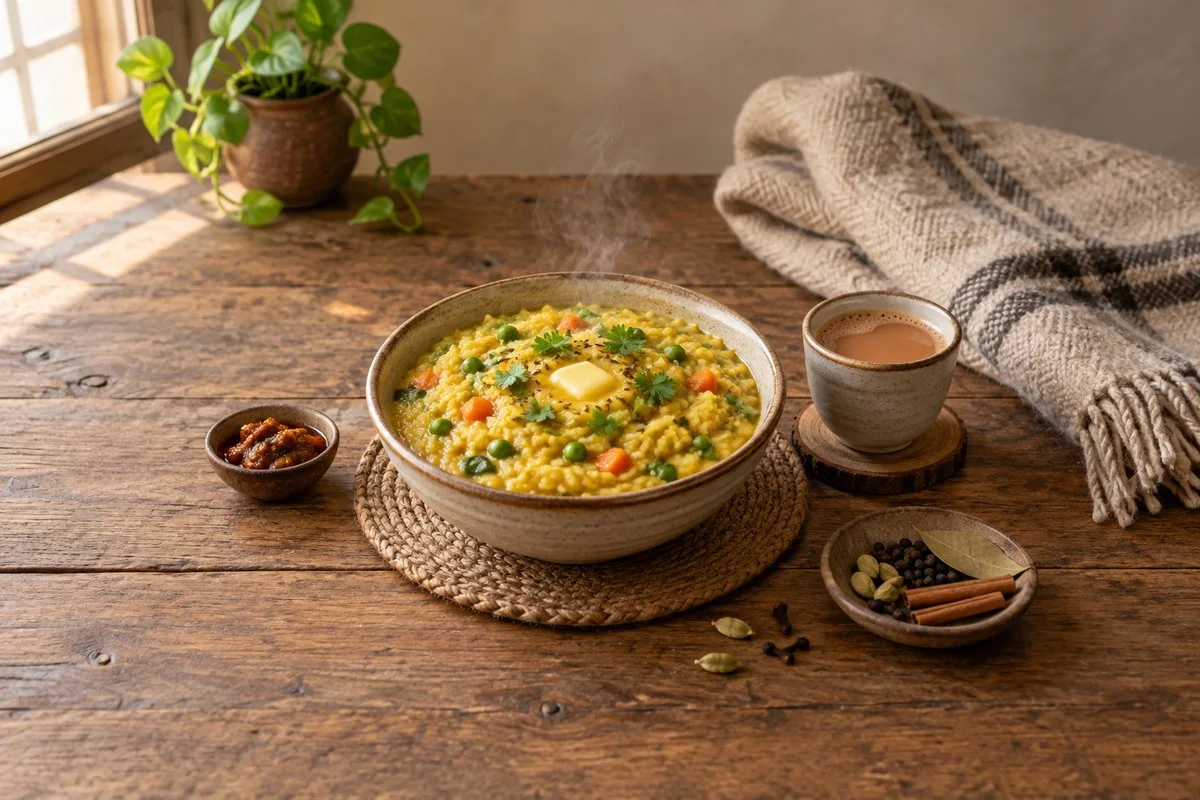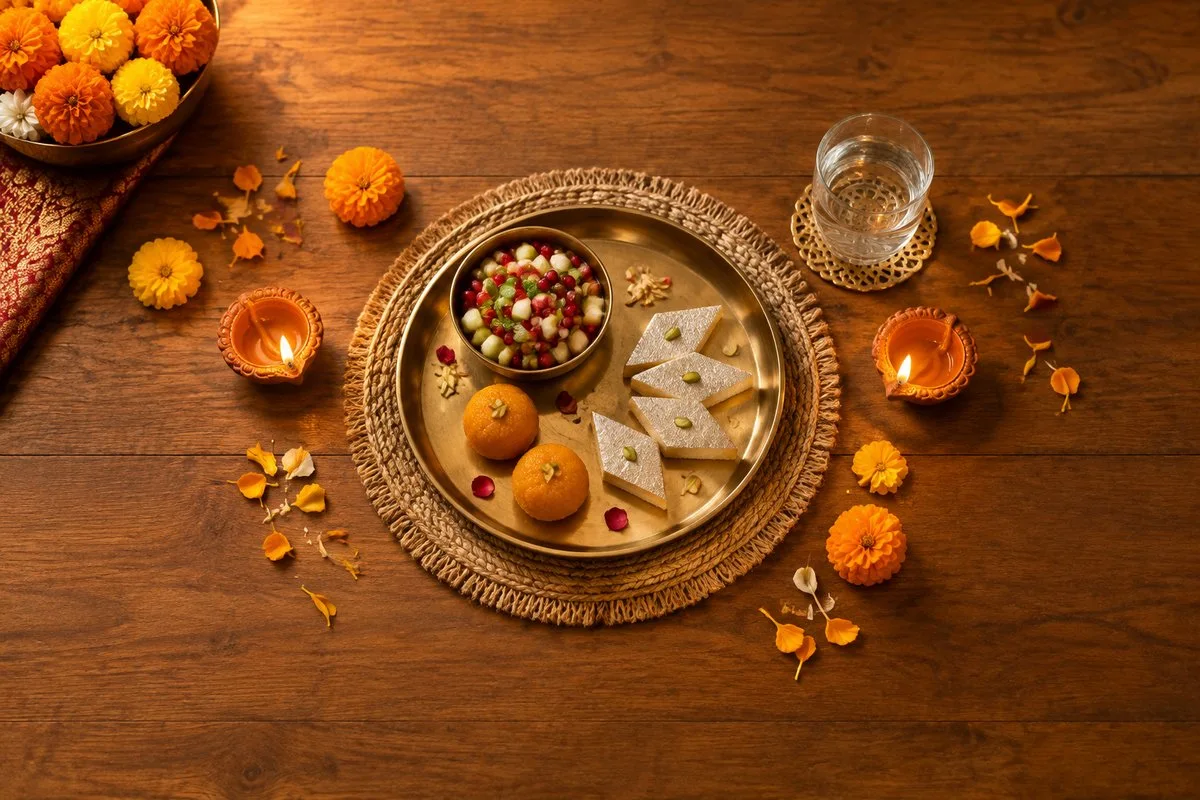
Diwali 2026 falls on Sunday, 8 November, and the festive eating has already begun in most homes. Here is the honest answer first: you do not need to skip mithai, avoid every dinner invitation, or punish yourself in the gym after Diwali. Weight change comes from what you do most days, not from one festive meal. A handful of simple habits during the festive weeks matters far more than any single plate of food.
This guide is for women and men who want to enjoy Diwali properly and still feel good in their clothes afterwards. No crash diets, no detox teas, no guilt.
Why festive weight gain happens
Nobody gains weight from one bowl of kheer. What changes during the festive season is the pattern around the food.
Sweets and fried snacks are available all day, at home, in the office, and at every visit, so grazing replaces meals. Late nights cut into sleep, and poor sleep makes you hungrier the next day. Movement drops because evenings go to shopping and socialising. Sugary drinks and alcohol add calories without making you feel full.
None of this means you did anything wrong. It simply means the festive environment nudges you in one direction, and a few deliberate habits can nudge you back.
Start with the easiest win: do not arrive hungry
The biggest festive-eating mistake is "saving up" for a party by skipping lunch. You arrive starving, and willpower loses to the snack table within minutes.
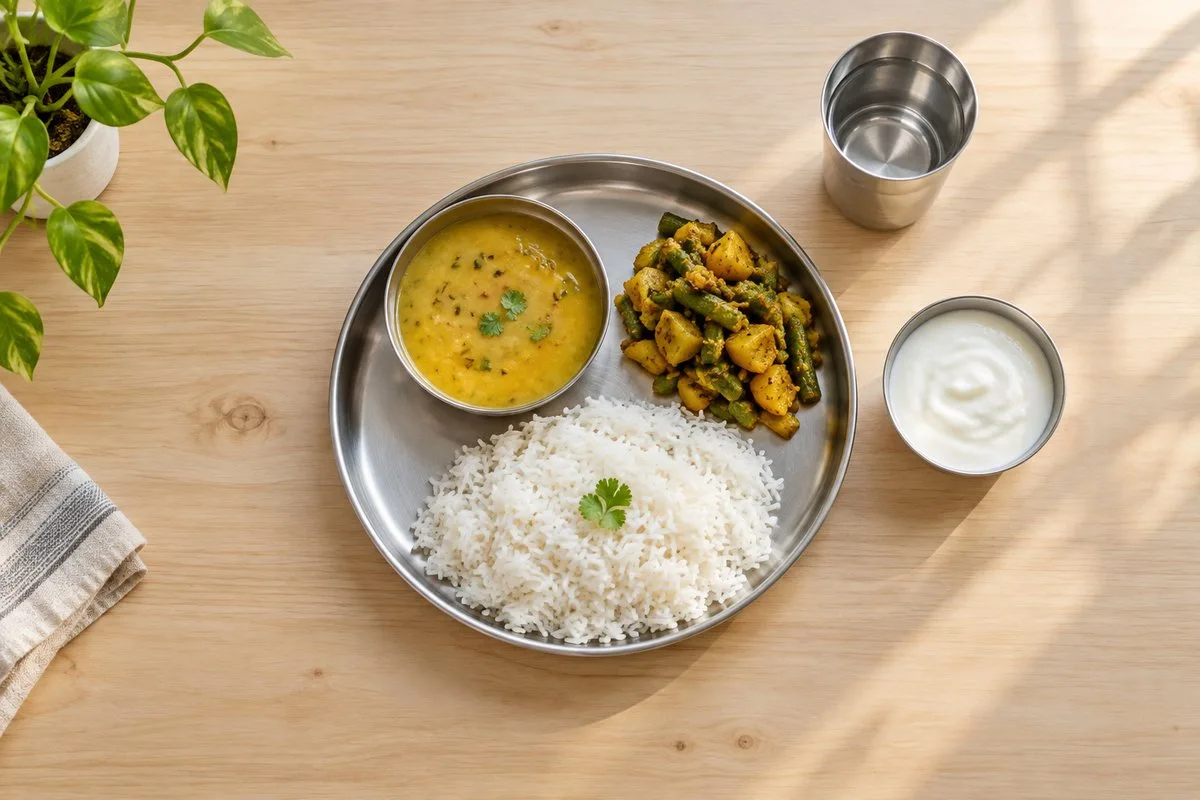
Eat a normal, protein-containing meal before you go. Dal, paneer, eggs, curd, or a handful of roasted chana all work. When you are not ravenous, you can actually taste your food and choose what you want instead of eating everything in reach.
Serve yourself once, and eat slowly
At a buffet or a family dinner, take a full plate once, sit down, and eat slowly. It takes time for your stomach to signal that you have had enough, and eating slowly gives that signal a chance to arrive before you go back for more.
This one habit does most of the work. You are not avoiding any food; you are just giving your body time to keep score.
Put protein and vegetables on the plate first
At any festive meal, fill part of your plate with protein and vegetables before the rich dishes. Paneer tikka, dal, chhole, raita, salads, and roasted items are usually right there at the same table.
Protein and fibre keep you full longer, so the second helping of the fried and sweet items naturally shrinks. You still eat them. You just eat them on top of something real.
Pick your mithai on purpose
Festive sweets are part of the celebration, and this guide will never tell you to skip them. Instead, choose the one or two sweets you genuinely love, take a proper portion, and enjoy them without multitasking.
What to drop is the mindless grazing: the third laddoo eaten while standing in the kitchen talking, the anonymous piece of barfi from the office box. If it is not your favourite, it is not worth it. If it is your favourite, sit down and savour it.
Keep water as your default drink
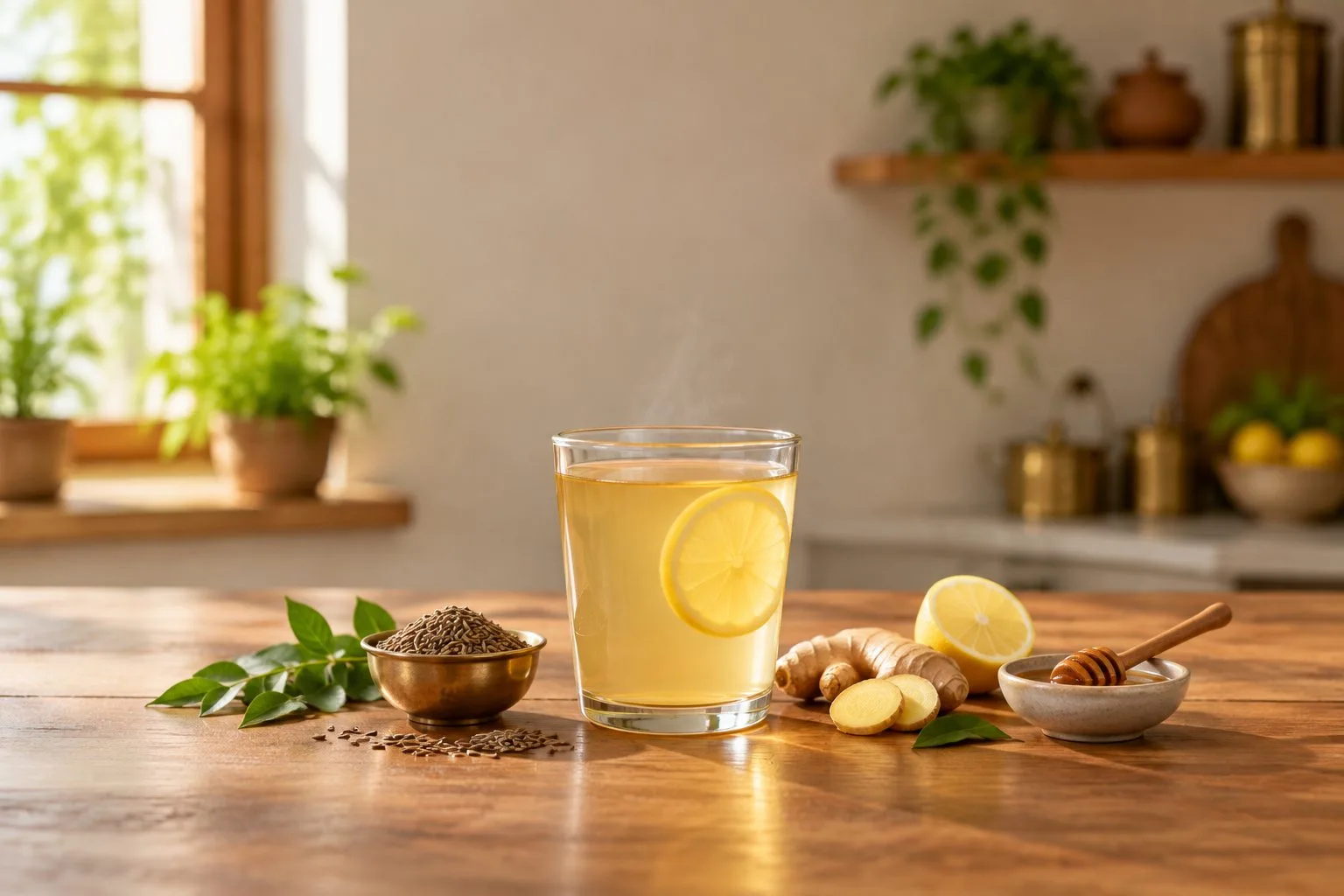
Sugary drinks, sweetened juices, soft drinks, and festive cocktails add a surprising number of calories without any fullness at all. Make plain water your default through the day, and treat the sweet drinks as an occasional extra, not the base.
If you drink alcohol, alternate each drink with a glass of water. You will drink less overall and feel better the next morning.
Protect your walk and your sleep
You do not need a workout plan for Diwali week. You need two things: a daily walk and reasonable sleep.
A walk after your biggest meal of the day is the single most useful movement habit during the festive weeks. It aids digestion, takes you away from the snack table, and keeps your routine alive when gyms and classes are disrupted.
Sleep is the quiet one. Late nights are part of Diwali, but several short nights in a row make you hungrier and make fried food harder to resist. On the days you can sleep on time, do.
Hosting? Set the table you would want as a guest
If you are hosting, you control the menu, which is a bigger advantage than any willpower trick. Keep some roasted and grilled items alongside the fried ones, put out cut fruit and salads where they are easy to reach, and serve sweets in small portions.
Your guests will eat what is served, exactly like you do at other people's homes. Nobody remembers whether the party had a salad bowl, but everyone feels better the next day when it did.
What about a post-Diwali "detox"?
You will see a lot of detox diets, juice cleanses, and special teas advertised after Diwali. You do not need them, and they do not do what they claim.
Your body already has a detox system: your liver and kidneys handle it around the clock. No juice or tea speeds that up. What actually helps after a festive stretch is boring and free: go back to your normal home food, drink water, walk daily, and sleep properly. Within a short time of ordinary eating, the heaviness and bloating usually settle on their own.
Be suspicious of any product or plan that promises to "flush out" festive eating quickly, especially one that asks for money.
If you are trying to gain weight, read this section instead
Not everyone worries about festive weight gain. If you are underweight or actively trying to gain, Diwali is genuinely useful: calorie-dense food is everywhere, and eating is a social activity.
The same habits apply, pointed the other way. Eat three proper meals plus snacks, choose the richer dishes freely, add milk-based sweets and dry fruits to your day, and keep your walks light rather than long. Festive eating done on purpose is one of the easier ways to add calories without force-feeding yourself.
A small, honest routine for the festive fortnight
If you want the whole guide in one place, it is this.
Eat three real meals. Do not skip meals before parties. Serve yourself once, eat slowly, and put protein and vegetables on the plate first. Pick the sweets you truly love and skip the rest. Keep water as your default drink. Walk after your biggest meal. Sleep when you can. After Diwali, return to normal food without any detox plan.
That is the entire system. It works because it does not fight the festival; it just keeps the days around the celebrations ordinary.
Where FitByVeda fits
If you want to see what FitByVeda offers after the festive season, the website lists ayurvedic supplements in two shop categories: Weight Gain (the Fit Gain range for men and for women) and Weight Loss (the Fat Loss range for men and for women).
You can read the full ingredient lists and product details on the website: go to fitbyveda.in, then Products. This article is general guidance, not a product recommendation, and no supplement replaces the everyday habits above.
Frequently asked questions
Will one week of festive eating ruin my progress?
For most people, one week of celebration does not decide long-term progress: weight change reflects your pattern over weeks and months. Every body responds differently, so keep a few habits in place, enjoy Diwali, and return to your routine afterwards.
Should I diet before Diwali to "make room"?
Strict dieting before a festival usually backfires: you arrive at the celebrations tired, hungry, and more likely to overeat. Eating normally and consistently is the better preparation.
Are sugar-free sweets a better option?
They can fit if you enjoy them, but they are not a free pass. Many sugar-free sweets are still calorie-dense from ghee and khoya. Portion and enjoyment matter more than the label.
How do I handle relatives who insist I eat more?
A warm "it was delicious, I am full" works almost everywhere. Taking a small portion to taste keeps the peace without a second full serving.
Is it okay to exercise during the festive week?
Yes, if you enjoy it and it fits your day, but do not use exercise as punishment for eating. A daily walk is enough to keep the routine alive through the festivities.
Disclaimer
This article is general information for healthy adults, not medical advice, and it does not diagnose, treat, or prevent any condition. If you have diabetes, a medical condition, are pregnant, or take regular medication, festive eating and any change in diet or routine should be discussed with your doctor or a qualified dietitian first. Individual results with any eating pattern vary from person to person.
Your health, our care
Ready to start your wellness journey?
Shop 100% Ayurvedic supplements. Every order includes free 1-on-1 dietician support.