Diwali 2026 is on 8 November, and right behind it comes the annual flood: detox teas, juice cleanses, "reset" diets, and powders that promise to undo the festive week in days. Here is the honest answer first: you do not need any of them. Your body already has a full-time detox system, and what actually helps after the festivals is ordinary and free - normal home food, water, movement, and sleep.
This guide is for women and men who want to feel like themselves again after the celebrations, without spending money on products that cannot do what they claim. Save it for the week after Diwali.
Why you feel heavy after the festive week
Nothing is "toxic" inside you. What you are feeling has simple explanations.
For a week or two, meals were richer and later than usual, sweets and fried snacks were everywhere, sleep ran short, and movement dropped. Rich, salty, sugary food makes your body hold extra water, which is most of the "swollen" feeling. Irregular meal times and less fibre slow digestion down. Poor sleep leaves you tired and hungrier than usual.
None of this needs fixing with a product. It needs a return to routine, and routine is exactly what the next sections cover.
What a "detox" product actually does
Your liver and kidneys filter your blood around the clock. That is the body's detox system, and it works whether or not you buy anything.
Most detox teas and cleanses are laxatives or diuretics in attractive packaging. They move water and the contents of your gut, which makes the scale dip for a day or two, and then the number comes back as soon as you eat and drink normally. Fat is not removed by tea. Juice cleanses mostly mean a few days of hunger and missing protein, after which most people return to exactly where they started.
If a product promises to flush out festive eating quickly, be suspicious of the promise, not proud of the purchase.
The real reset: go back to normal food
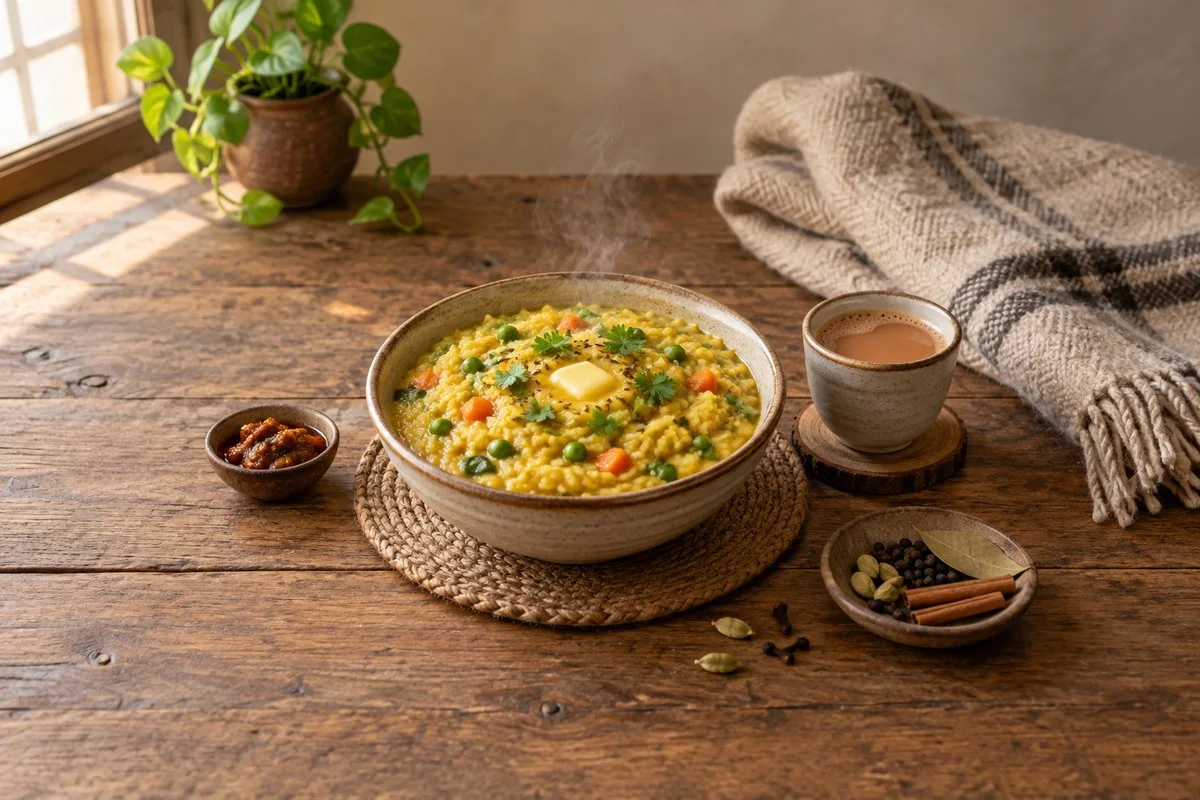
The single most effective post-Diwali move is the least glamorous one: eat your ordinary home food again.
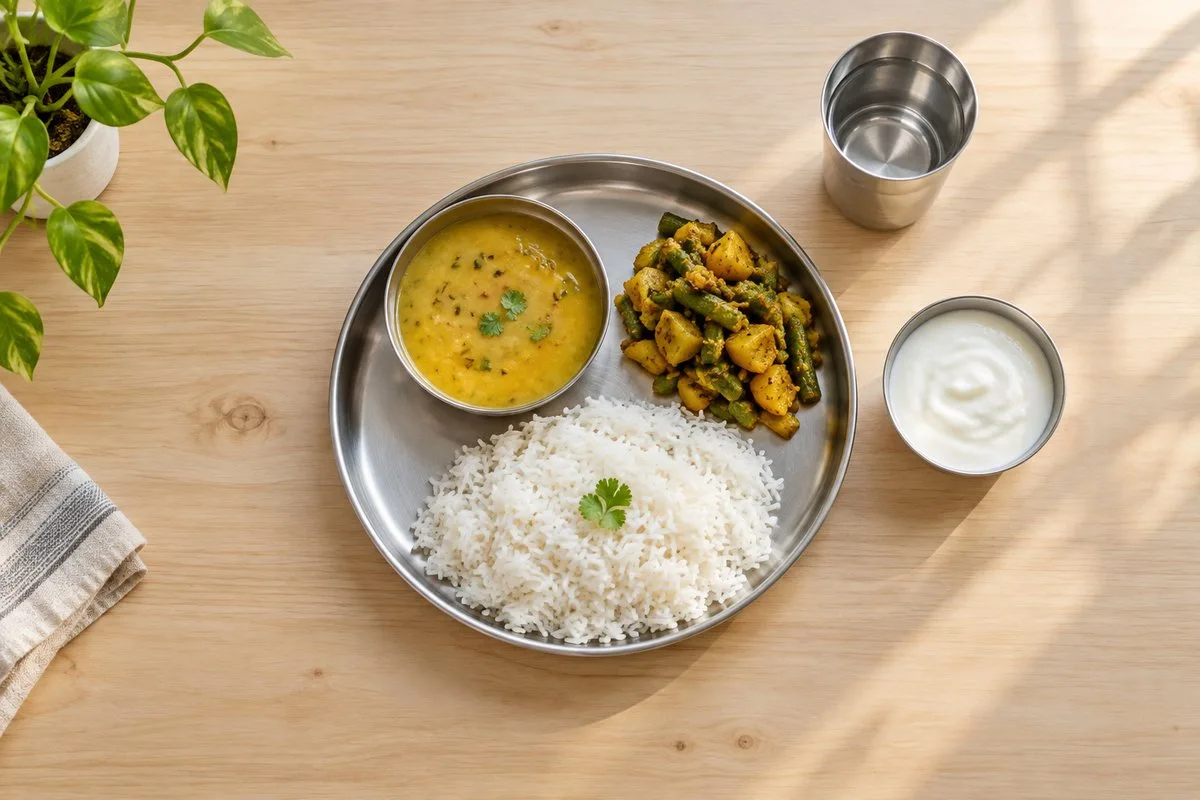
Dal, rice, roti, sabzi, dahi, eggs, fruit - whatever your normal kitchen produces. Regular meal times help as much as the food itself, because your digestion settles back into its usual rhythm. Include something with protein and something with fibre in each meal; both keep you full and keep digestion moving.
What not to do: punish yourself with skipped meals or a crash diet. Arriving at dinner starving after a day of restriction is how the festive overeating pattern continues into November. Normal food, at normal times, beats heroic dieting every time.
Water, walk, sleep: the unglamorous trio
Three habits do most of the recovery work.
Water. Rich festive food makes your body hold water, and the way out is not restriction but ordinary hydration through the day. Keep water as your default drink and let the sugary ones fade back to occasional.
Walk. A daily walk, especially after your biggest meal, gets digestion moving and restores the exercise habit before motivation fully returns. You do not need a hard workout in the first week back; you need to be a person who walks every day again.
Sleep. Festive weeks usually steal sleep, and short sleep makes you hungrier and more drawn to fried food the next day. Guard your bedtime for a few days. It is the cheapest reset there is.
What to do with the leftover mithai
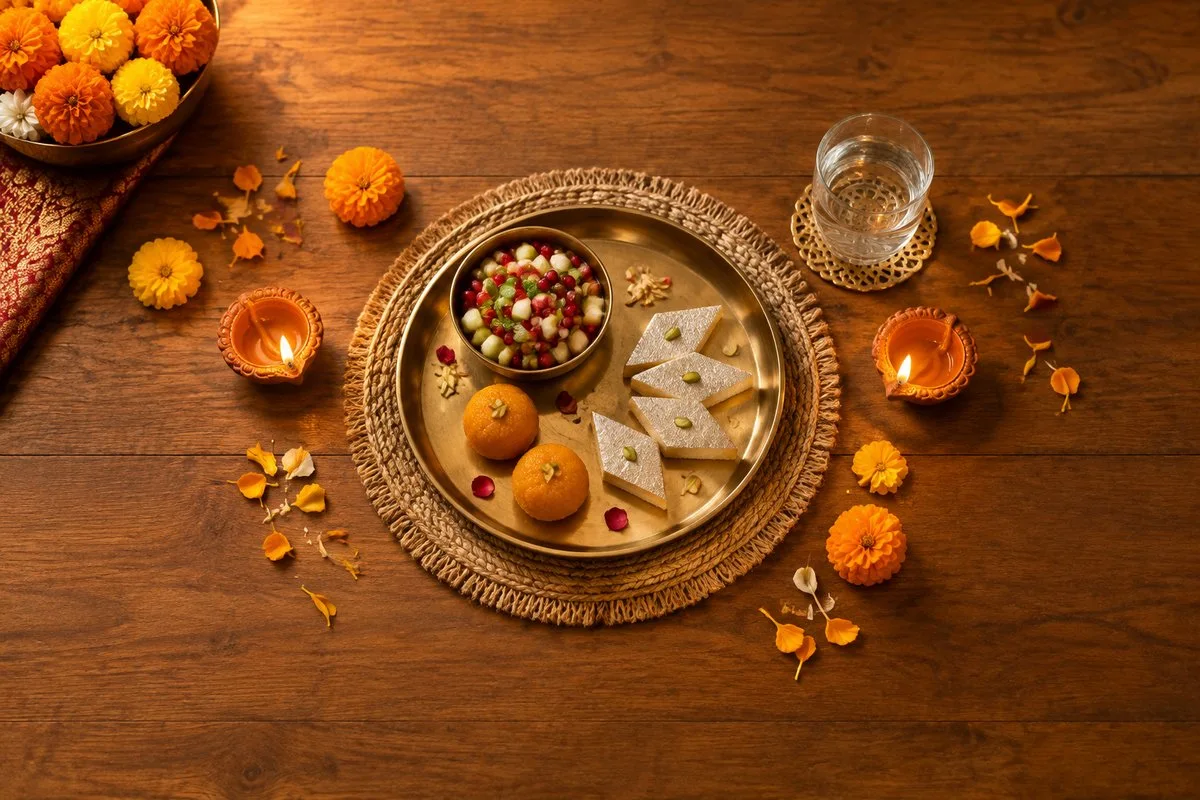
Every Indian home faces the same question on the ninth of November: the boxes. Gifted sweets pile up, and they do not disappear on their own.
You do not have to throw food away and you do not have to eat it all either. Share boxes with neighbours, staff, and visitors while the sweets are fresh. Keep out a small portion you actually love and put the rest out of easy reach - grazing happens when the box sits open on the table. And once the festival is genuinely over, let it be over: the goal is not to finish the mithai, it is to return to normal eating.
How long does it take to feel normal again?
There is no fixed number, and anyone who gives you one is guessing or selling.
For most people, the heavy, bloated feeling fades as ordinary eating, water, movement, and sleep return - it is a matter of routine settling back, not of a special protocol. Every body responds differently, so do not measure yourself against someone else's timeline or a product's promise.
If digestive trouble, pain, or unusual symptoms persist well beyond the festive period rather than fading, that is a reason to see a doctor, not to buy a stronger cleanse.
If you are trying to gain weight
The reset idea applies to you too, just pointed the other way.
If you used the festive weeks deliberately to eat more, the end of the season is not a reason to drop back to two meals a day. Return to your structured routine: three proper meals, planned snacks, your usual milk-and-dry-fruit additions, and light activity. Weight gained in a rushed, uncomfortable way rarely stays; weight built on a steady routine does.
And the same warning holds: products marketed as post-festival fixes are not part of a sensible gaining plan either.
Where FitByVeda fits
If you want to see what FitByVeda offers, the website lists ayurvedic supplements in two shop categories: Weight Gain (the Fit Gain range for men and for women) and Weight Loss (the Fat Loss range for men and for women).
You can read the full ingredient lists and product details on the website: go to fitbyveda.in, then Products. This article is general guidance, not a product recommendation, and no supplement replaces the everyday habits above.
Frequently asked questions
Do I need a detox after Diwali?
For most healthy people, no. Your liver and kidneys already handle that job. What helps after festive eating is returning to normal food, water, movement, and sleep. If you have a medical condition, ask your doctor before following any cleanse or restriction.
Will the weight I gained during Diwali stay?
Not necessarily. Part of the post-festival increase is water from saltier, sweeter food, and it usually settles as your routine returns. What happens beyond that depends on your habits over the following weeks, which vary from person to person - steady routines matter more than any single week.
Is a juice cleanse a good way to reset?
Most people do not need one. Cleanses usually mean a few days of hunger with little protein, and any quick change on the scale is mostly water and gut contents that return with normal eating. Ordinary home food is the gentler and more sustainable option.
Can I diet strictly for a week to compensate?
Strict restriction usually backfires: it leaves you tired and very hungry, which makes overeating more likely, not less. Eating normally and consistently works better than swinging between feasting and punishing.
When should I worry instead of waiting it out?
If heaviness turns into persistent pain, ongoing digestive trouble, or anything unusual that does not fade as your routine returns, see a doctor. Do not try to fix a persistent symptom with a detox product.
Disclaimer
This article is general information for healthy adults, not medical advice, and it does not diagnose, treat, or prevent any condition. If you have diabetes, a medical condition, are pregnant, or take regular medication, discuss any change in diet or routine with your doctor or a qualified dietitian first. Individual results with any eating pattern vary from person to person.
Your health, our care
Ready to start your wellness journey?
Shop 100% Ayurvedic supplements. Every order includes free 1-on-1 dietician support.