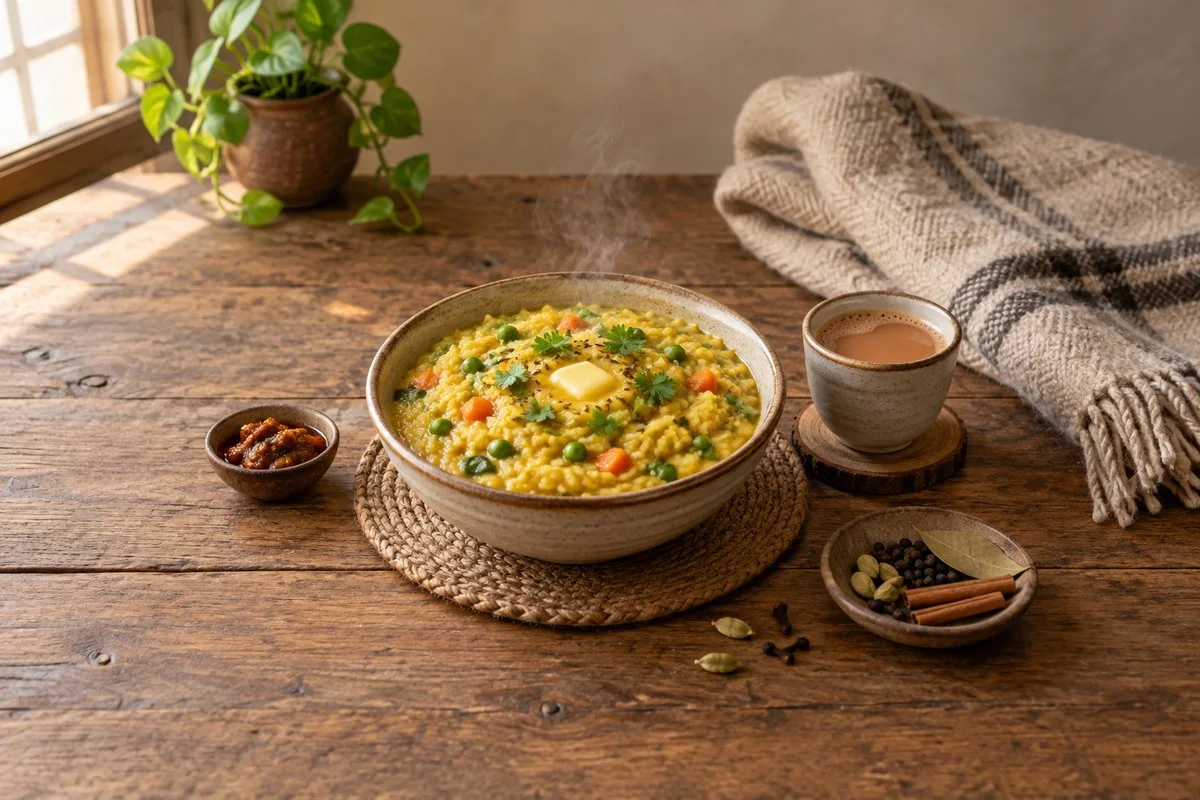
If the days before Diwali leave you strangely exhausted, you are not imagining it. Festive fatigue is common, and it has ordinary causes: later nights, richer food at odd times, days of cleaning and shopping, travel, and a routine that quietly falls apart. The fix is usually not a product or a hack. It is a handful of small habits, kept loosely but consistently through the week.
This guide is for the stretch from now to Diwali day on 8 November: why the festive rush tires people out, which habits matter most, and which popular fixes do less than they promise.
Why the festive week is so tiring
None of the causes is dramatic on its own. Together they add up.
Sleep is usually the first casualty. Guests, card parties, late-night prep and early mornings chip away at it from both ends, and even an hour less per night builds a noticeable debt across a week.
Eating shifts too. Meals get delayed or skipped in the rush, then a heavy dinner lands at midnight. Sweets and fried snacks show up between meals instead of with them. Rich food on an erratic schedule is harder work for the body than the same food at regular times.
Then there is the workload itself: cleaning, decorating, shopping, hosting, travelling. Much of it is standing, lifting, bending work done in a compressed window, often outdoors in crowds and traffic.
None of this means you should enjoy the festival less. It means the basics matter more this week, not less.
Protect the sleep anchor
You probably will not get perfect sleep this week, and that is fine. What helps is keeping one anchor steady: try to wake at roughly the same time each day, even after a late night. A consistent wake time keeps your body clock from drifting, which makes the next night easier.
If the night runs late, a short afternoon rest of twenty to thirty minutes takes the edge off without making you groggy or spoiling the next night. Long evening naps tend to do the opposite.
Caffeine is the common patch, and it works exactly as a patch: it masks tiredness for a while without repaying the debt. Chai and coffee are part of the season and there is no need to give them up, but a strong cup late in the evening usually costs more sleep than it buys back comfort. Many people find front-loading caffeine to the first half of the day sits better.
Eat for steadiness, not sainthood
This is not the week for a strict diet, and it is also not the week to abandon structure. The pattern that keeps energy steadier is simple: eat proper meals at roughly normal times, and let the festive extras join the meals instead of replacing them.
Skipping lunch to save room for a party dinner usually backfires. You arrive ravenous, eat fast, and feel heavy and sluggish afterwards. A normal meal beforehand, or at least a real snack, takes the urgency out of it.
At the table, the unglamorous basics do the work: some protein and vegetables alongside the festive dishes, water through the day, and mithai enjoyed after a meal rather than on an empty stomach. You do not need to refuse anything. Sequence and timing do more for next-day energy than willpower does.
Prep without the crash
The physical load of Diwali week is real, and most of the exhaustion people blame on age or health is just all the tasks landing in the same two days.
Spreading them out is the whole trick. A short list written once, with one or two jobs assigned to each remaining day, turns a mountain into errands. Deep cleaning one room a day beats a twelve-hour marathon on the sixth. Shopping in one planned trip beats four panicked ones.
Sharing the work matters too, and this cuts across the usual divide: the cooking and decorating load still falls mostly on women in many homes, while lifting, errands and outdoor tasks fall on men. Naming the tasks out loud and splitting them deliberately keeps one person from carrying the whole week.
Keep moving, gently
When the schedule fills up, structured exercise is usually the first thing dropped. That is reasonable for a week. What is worth keeping is plain movement: a short walk after the big meal of the day, some morning daylight, a few minutes of stretching while the kettle heats.
These are not workouts and they are not about burning off sweets. Regular light movement keeps stiffness and sluggishness from compounding when sleep and meals are already disrupted, and a walk after dinner helps many people feel less heavy at bedtime.
What does not fix festive fatigue
A few popular fixes deserve a honest look.
Energy drinks and extra chai feel like fuel, but they only borrow alertness from later in the day. The crash arrives on schedule, usually at the worst moment.
Powering through on no sleep and planning to catch up after Diwali sounds efficient. Some recovery does happen, but a week of short nights is not fully repaid by one long Sunday sleep, and the drift makes the festive days themselves harder than they needed to be.
Skipping meals to compensate for sweets trades one problem for another: low energy all day, then overeating at night.
And the idea that you need a special product or a strict cleanse to survive a festival week is mostly marketing. Ordinary food, ordinary sleep and ordinary movement cover nearly all of it.
Where the kitchen traditions fit
Indian homes have their own festive-week comforts: a glass of warm haldi doodh at night, a small handful of dry fruits kept in the pocket during shopping runs, saunf after a heavy meal, nimbu pani between chores. These are well-loved household traditions, and they are worth enjoying as exactly that - familiar comforts that make the week feel like itself. They are not treatments, and they do not have to be. The habits above carry the load; the traditions make it pleasant.
When tiredness is not just festive
Festive fatigue fades within days of routine returning. Tiredness that lingers well after the season, or that comes with other changes like unusual breathlessness, dizziness, or a low mood that does not lift, is worth taking to a doctor rather than blaming on the festival. For most people this week is simply a busy week, but it is a sensible line to keep in mind.
Where FitByVeda fits
FitByVeda is an Ayurvedic nutrition brand, and our shop has two ranges you may come across: Weight Gain (Fit Gain range) and Weight Loss (Fat Loss range). Ingredient lists and product details are on fitbyveda.in under Products, if you are curious. This article is general lifestyle reading, not a product recommendation - the habits above stand on their own.
Frequently asked questions
Why do I feel more tired during Diwali than during a normal work week?
A normal week is repetitive, which is tiring in its own way but predictable. Diwali week stacks late nights, physical prep work, rich food at odd hours, travel and socialising on top of your regular responsibilities, all at once. The tiredness is the sum, not any single cause.
Is it okay to nap during the day in the festive rush?
For most people, a short afternoon nap of twenty to thirty minutes is a reasonable way to take the edge off a late night. Long or late-evening naps tend to make the next night shorter, which keeps the cycle going. Everyone's sleep responds a little differently, so notice what leaves you fresher.
Do energy drinks actually help with festive exhaustion?
They mask sleepiness for a few hours by stimulating you, but the underlying sleep debt stays, and many people feel a dip when it wears off. They are a temporary cover, not a fix, and late-day use often costs sleep the following night.
How do I keep my energy up without giving up festive food?
You do not have to give anything up. Eating proper meals at roughly normal times, having sweets after meals rather than instead of them, drinking water through the day, and taking a short walk after the biggest meal are what most people find keeps energy steadier. Individual responses vary, so treat these as starting points, not rules.
When should tiredness after Diwali worry me?
If the exhaustion fades as your routine returns, it was almost certainly the festive load. If it persists well beyond the season, feels unusual for you, or comes with other symptoms, checking with a qualified doctor is the sensible step.
This article is general lifestyle information only and is not medical advice, a diagnosis, or a treatment plan. Everyone's body and health situation are different. If you have a medical condition, ongoing fatigue, or concerns about your health, please consult a qualified doctor before making changes to your routine.
Your health, our care
Ready to start your wellness journey?
Shop 100% Ayurvedic supplements. Every order includes free 1-on-1 dietician support.